Monsoon Hair Fall, Frizz & Dandruff: The Routine That Actually Fixes It
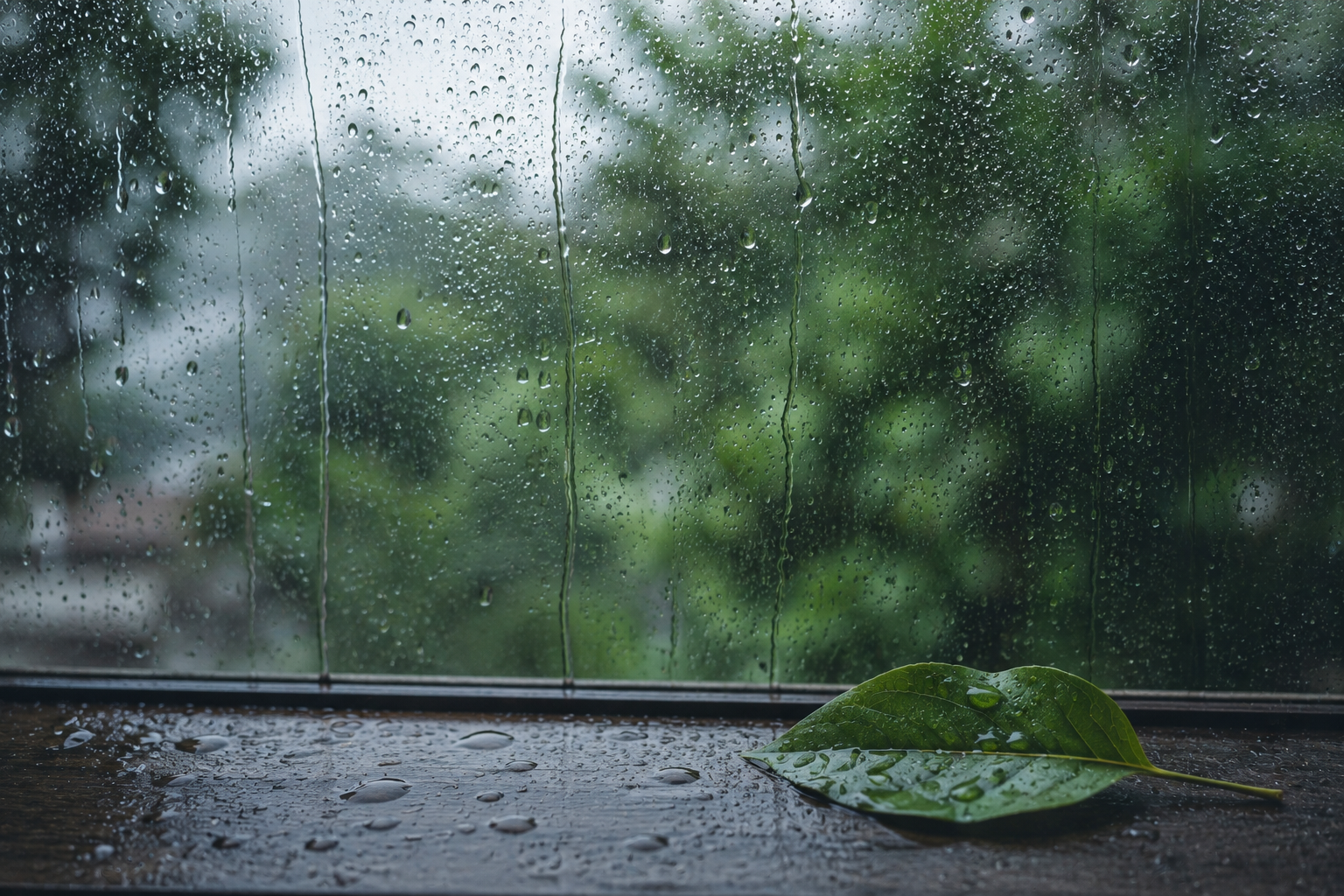
If your hair has felt like a stranger to you since the rains started, you're not imagining it. Monsoon is the season your scalp and strands fight back the hardest — humidity puffs up every strand into frizz, sweat and trapped moisture feed dandruff-causing yeast, and the extra shedding you see in the shower drain is real, not paranoia. The good news: almost all of it is manageable with a few deliberate changes to how (and how often) you wash, condition, and protect your hair this season. Here's the monsoon hair playbook, broken down by problem.
Why Monsoon Hair Behaves So Badly
Two things are happening at once. First, humidity swells the outer layer of your hair shaft (the cuticle), which lets moisture in unevenly and causes frizz and flyaways — this is a moisture imbalance, not too much or too little, but poorly distributed. Second, the same warm, damp conditions that make your scalp sweat more also create ideal breeding ground for the yeast (Malassezia) responsible for most dandruff, while sweat, pollution, and rainwater sitting on the scalp for hours can clog follicles and contribute to visible shedding.
None of this means your hair is "unhealthy" — it means the season is working against your routine, so the routine needs to adjust.
Get Your Wash Frequency Right
This is the single most common mistake: people either overwash out of frustration with oily roots, or underwash to avoid "more frizz." Both backfire. Overwashing strips the scalp's natural oil barrier, which can trigger it to produce even more oil in response. Underwashing lets sweat, humidity, and grime sit on the scalp and clog follicles.
The sweet spot for most people during monsoon is washing 3–4 times a week with a mild, sulphate-free shampoo. If you're caught in the rain, don't let it dry on your scalp — rainwater in Indian cities often carries pollutants, and a quick rinse afterward matters more than people think.
Tame Frizz Without Weighing Hair Down
Since monsoon frizz is a moisture-distribution problem, the fix is giving hair a light, consistent layer of hydration rather than skipping conditioner because it's "already humid enough outside." After every wash:
Use a lightweight, silicone-light or silicone-free conditioner focused on mid-lengths and ends, not the scalp. Follow with a leave-in serum or anti-frizz cream on damp hair — this coats and smooths the cuticle before humidity gets a chance to lift it. If you're air-drying (recommended over heat styling in monsoon), scrunch a small amount of curl cream or serum through damp strands rather than brushing dry hair, which roughs up the cuticle and invites more frizz.
Skip heavy butters and oils as a leave-in during the day — they attract more airborne moisture and dust, making hair feel greasy and flat by afternoon.
Address Dandruff — But Know What You're Actually Treating
Before reaching for a heavier medicated shampoo, it's worth checking what kind of flaking you're dealing with. Ordinary dandruff shows up as fine white or yellow flakes spread evenly across the scalp, usually with some oiliness between washes. If instead you're seeing flakes confined to distinct, defined patches, unusual redness, or intense itching that doesn't respond to a couple of weeks of a good anti-dandruff shampoo, that can point to a fungal infection like scalp ringworm — which needs a dermatologist, not a stronger shampoo.
For standard monsoon dandruff, look for shampoos and scalp serums with:
Tea tree oil, which has natural antifungal properties well-suited to yeast-driven dandruff. Salicylic acid, which gently exfoliates the scalp and helps clear the buildup that traps flakes and oil. Zinc pyrithione or ketoconazole, the two most well-studied anti-dandruff actives, if flaking is persistent.
Use a dedicated anti-dandruff shampoo 2–3 times a week, alternating with your regular mild shampoo so the scalp isn't over-exfoliated.
Calm Down Monsoon Hair Fall
Some extra shedding in monsoon is genuinely normal — humidity and scalp stress can push more hairs into the shedding phase temporarily, and most people see it settle once the season shifts. That said, a few habits make a real difference:
Don't tie hair up tightly while it's still damp; wet hair is more elastic and fragile, and pulling on it increases breakage that can look like "hair fall" even when the follicle itself is fine. Keep detangling on wet hair to a wide-tooth comb, starting from the ends and working up, rather than dragging a brush from root to tip. A weekly scalp massage — just two or three minutes with your fingertips, no oil required — can support circulation and is genuinely one of the simplest, evidence-backed habits for scalp health. And if you're stressed (exams, work deadlines, the general chaos of the season), know that stress itself can worsen shedding and scalp conditions, so it's not purely a "product" problem.
If shedding is heavy — noticeably more than a typical handful a day — persists for more than a few weeks after monsoon ends, or comes with visible thinning at the part or temples, that's worth a conversation with a dermatologist rather than more home remedies.
A Simple Monsoon Hair Week
To put it all together, a realistic weekly rhythm looks like this: wash 3–4 times with a mild sulphate-free shampoo, using an anti-dandruff formula for 2 of those washes if flaking is an issue. Condition every wash, focused on lengths and ends. Apply a lightweight leave-in or serum on damp hair before air-drying. Rinse hair promptly after getting caught in rain. And fit in one gentle scalp massage session, even if it's just while watching TV.
None of this requires an elaborate ten-step routine — it's really about matching your existing habits to what the season is doing to your scalp and strands, rather than fighting it with more product.
Monsoon hair struggles are real, but they're also temporary and predictable — which means they're manageable. Pair the right wash frequency with lightweight hydration and a scalp-first mindset, and you'll come out the other side of the season with far less frizz, flaking, and fallout than you started with. If you're rebuilding your routine from scratch, our dermatologically tested haircare range is designed with exactly this kind of monsoon-proofing in mind — take a look and build a routine that fits your hair's actual needs this season.